
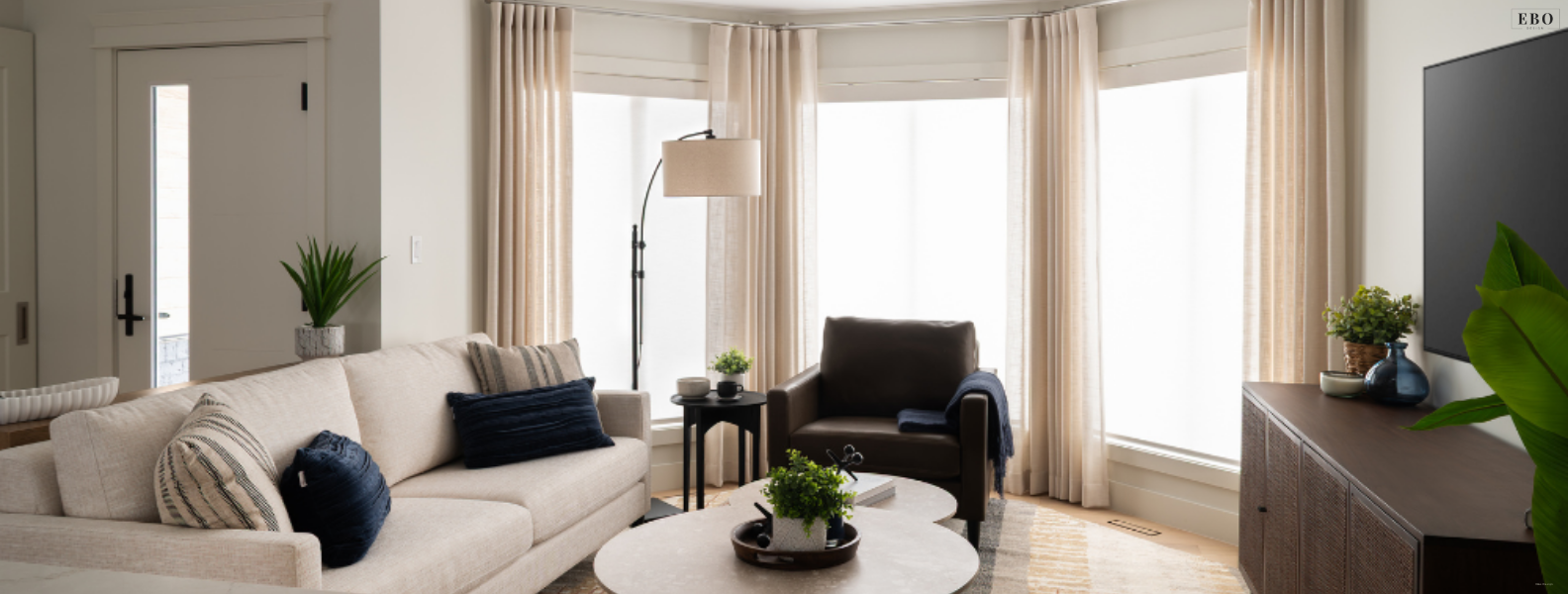
Do you remember when you first moved into your home? It felt perfect. You walked through it and imagined what life would look like. You could picture birthday parties, lazy Sunday mornings, and watching your children grow.
And for a while, it was exactly what you needed.
But then life happened. And time passed.
And now it doesn't quite feel the same.
If you've been in your home for a while and think it's time for a change, this article is for you. We'll explore why your home may no longer fit the life you're living today, and what you can do about it.
First, let's talk about what's changed.
Your family has changed.
When you first moved into your home, it was designed around your family at the time. Maybe you didn’t have children yet, or perhaps your kids were still toddlers.
Fast forward a few years, and things likely look very different.
Those toddlers have grown into teenagers. You've had to replace diaper bags with hockey bags. Your toy storage is now a homework station. Instead of playdates, you have teenagers hanging out in your basement.
As your children have grown, so have their needs. Everyone wants a bit more privacy, but there’s still a need for spaces where people can come together and connect.
At the same time, you may have aging parents spending more time in your home, or you may be taking on a caregiving role.
The home that worked perfectly for one stage of life may not be equipped to support the next.
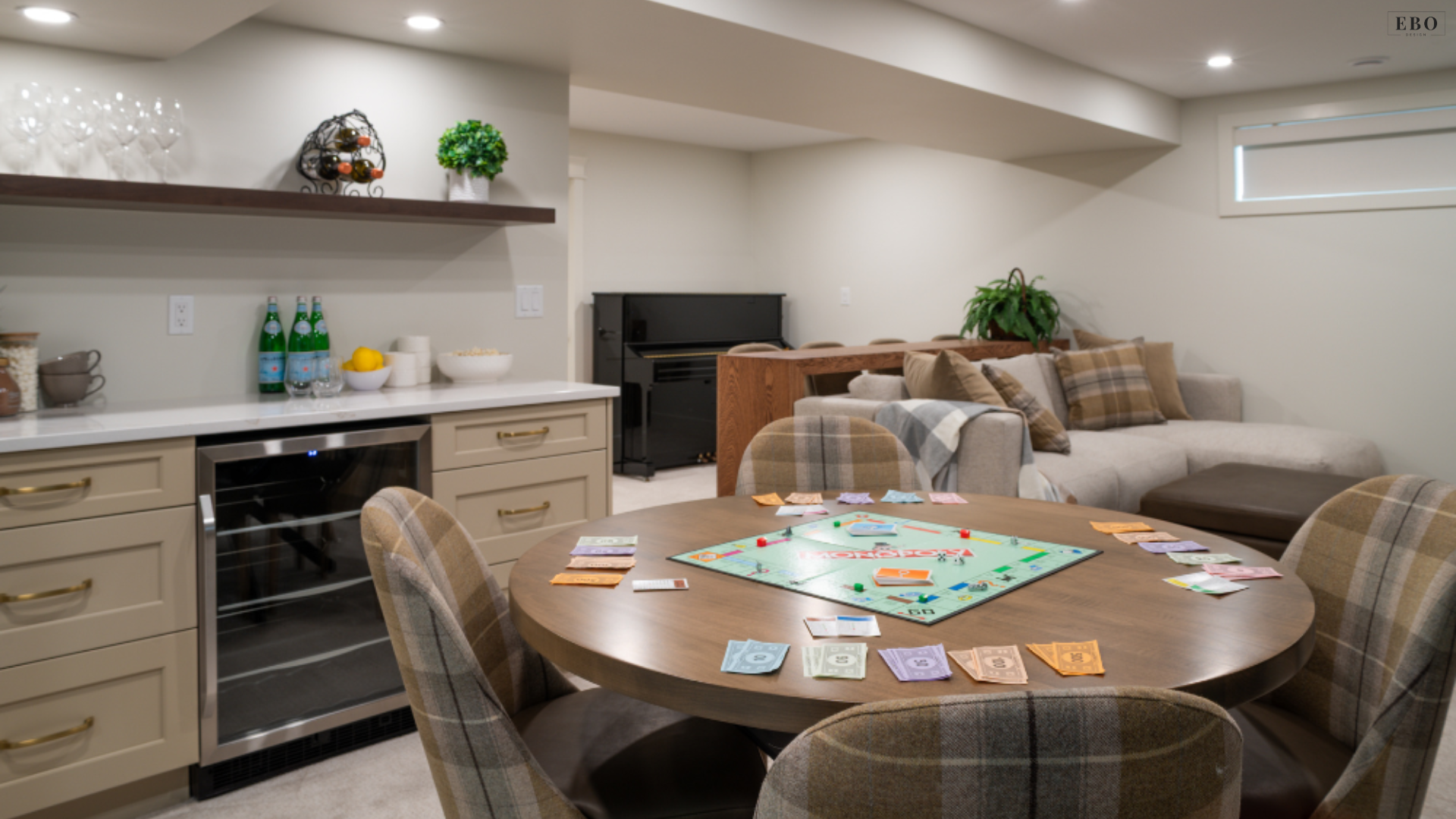
Your routines have changed.
It’s not just your children who have changed. You likely have too.
When you first moved into your home, you were earlier in your career. Working from home may not have even been on your radar, and your daily routines were simpler.
Today, your home may need to function as an office, even if it’s only part of the time. It might also be a place where you occasionally entertain clients or host gatherings.
You may even be thinking ahead, considering what your home will need to support in the next 10 years as your lifestyle continues to evolve.
It may be that your routines have changed, but your home has stayed the same.
Your priorities have changed.
Many of us buy homes based on what we think we'll value. And then real life happens.
For example, many homes were designed around formal dining rooms and sitting areas because that’s what felt important and familiar at the time. Years later, those rooms may sit empty most of the time. Meanwhile, everyone congregates in the kitchen.
What once felt like a luxury becomes unnecessary. What once seemed unimportant suddenly becomes essential.
If any of this sounds familiar, you're not alone. Many homeowners spend years trying to work around these challenges. They declutter, reorganize closets, and shuffle furniture.
But those are temporary solutions to a much larger issue.
Often, it's not the amount of space or how much stuff you have. It's how that space is designed and whether it matches your life.
So, if this sounds familiar, what are your options?
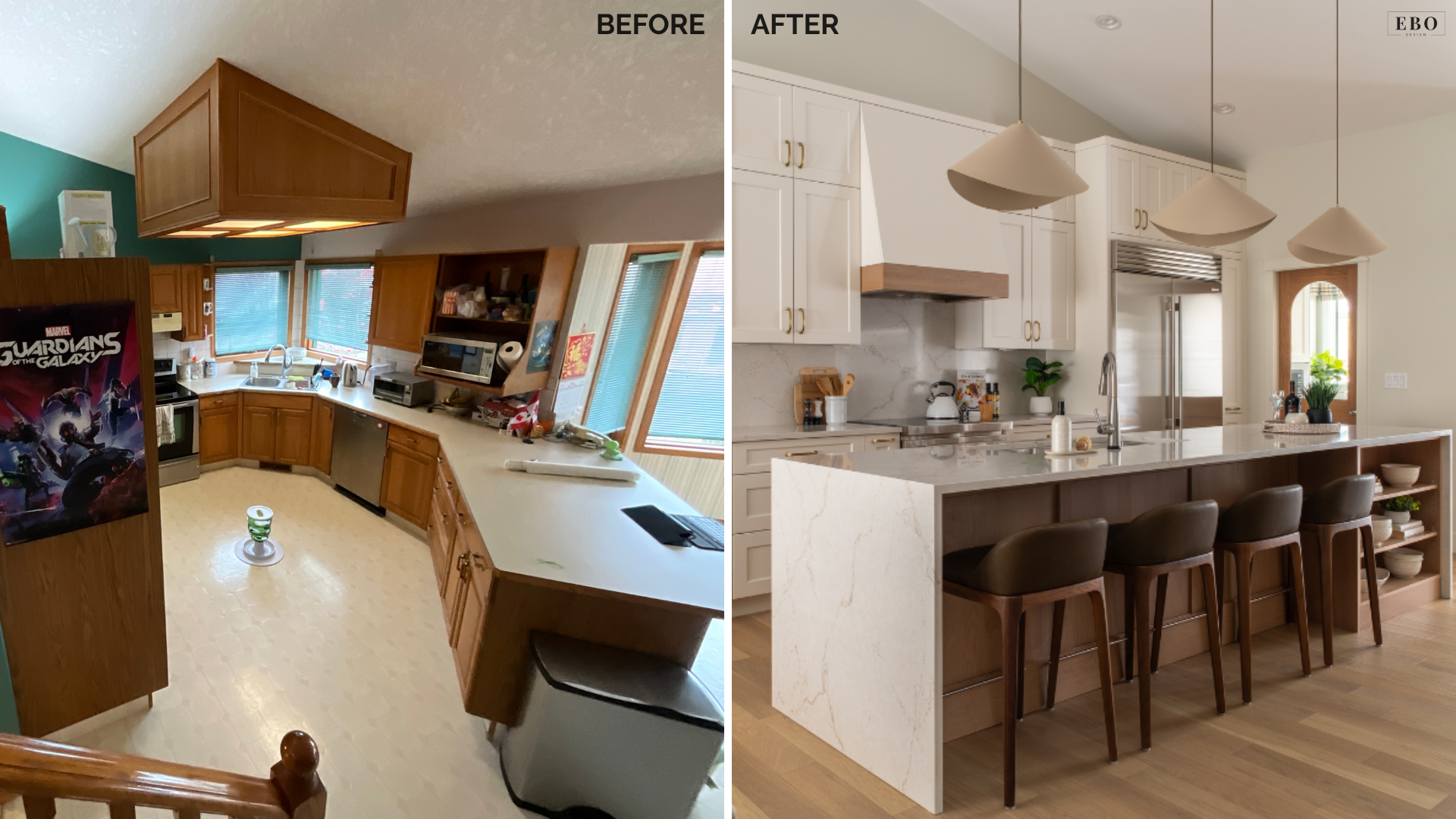
Renovating, Buying or Building: What should you do next?
If you've realized that your home no longer fits the life you're living today, the next question becomes: what should you do about it? For most homeowners, it comes down to three options.
Option 1: Renovate Your Current Home
If you love your neighbourhood, your lot, your schools, and your community, renovating can be an excellent solution.
A well-planned renovation allows you to reimagine your home. You can improve functionality, create better flow, add storage, update finishes, and make your home feel like it fits your family again.
Option 2: Buy a Different Home
Sometimes the challenges go beyond layout. Perhaps you need a different location, or a home with features that would be difficult or impractical to add through a renovation.
In that case, purchasing another home may make more sense than investing in your current one.
Option 3: Build a New Home
There is something appealing about working with a fresh slate. Building a custom home allows you to start fresh and design every detail around your lifestyle.
While it is typically the most significant investment of the three options, it may be the right choice if you want complete flexibility and customization.
Start With the Right Question
Many homeowners assume they only have two choices: live with the frustrations or move.
But before you start browsing real estate listings, take a step back and ask yourself: What is it about our current home that no longer works?
Is it a lack of storage? A layout that no longer supports your routines? Not enough space for teenagers, aging parents, or working from home? Or is it something deeper?
Once you identify the root of the problem, the right solution often becomes much clearer. And if you're not sure which path makes the most sense, that's exactly where we can help.
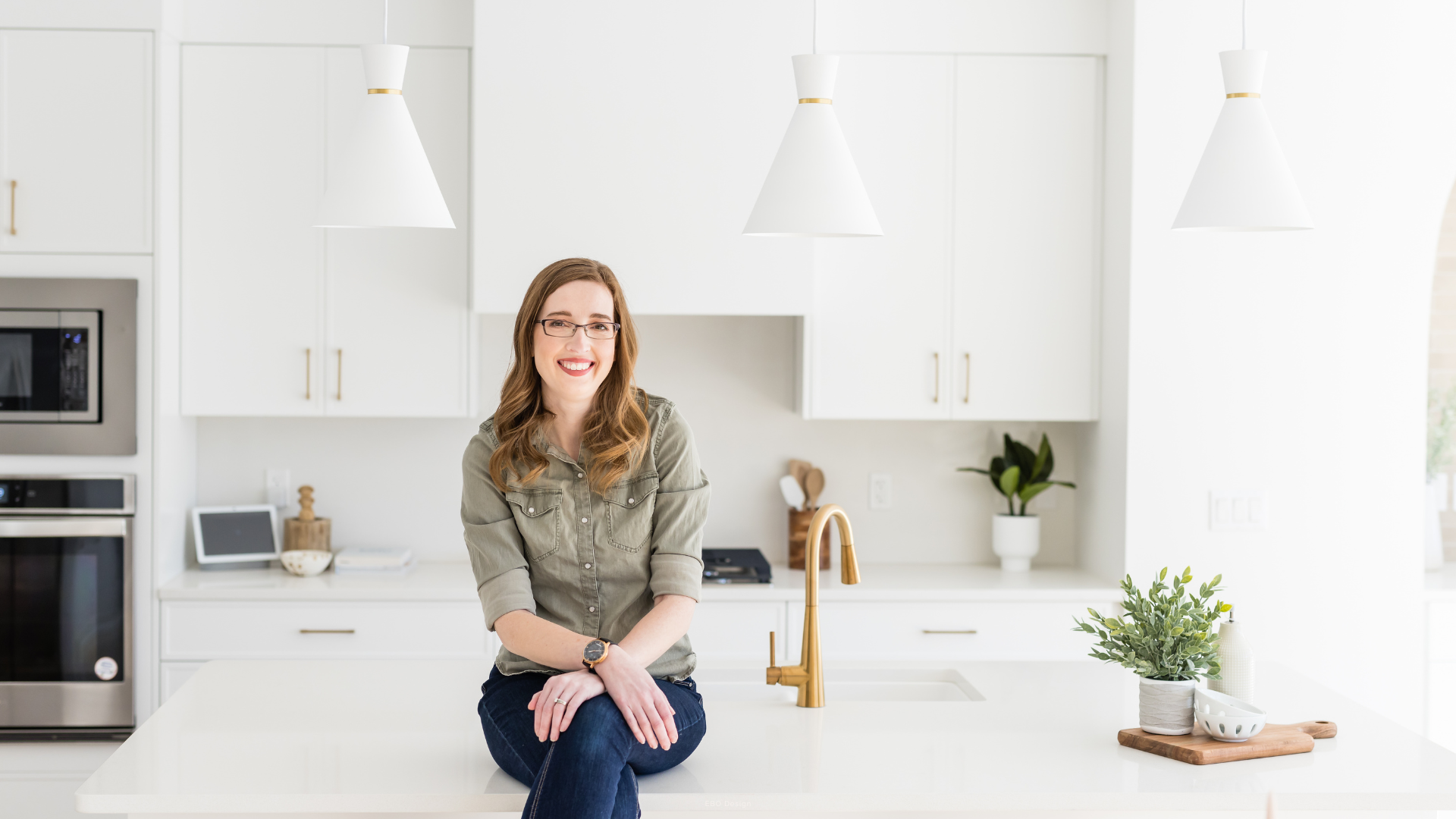
At EBO Design, we work with homeowners to evaluate their current space, understand what's no longer working, and explore the options available to them. Sometimes the answer is a renovation. Sometimes it isn't. Our goal is to help you make the right decision for your family, your home, and your future.
Whether you're considering renovating, moving, or building new, we'd be happy to help you explore your options.